Posted on 6/27/2025
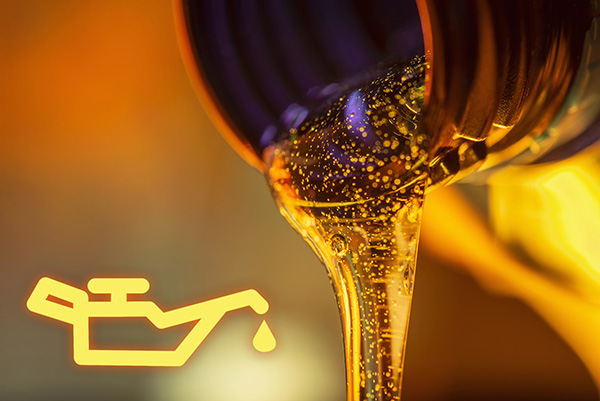
Most drivers are aware that engine oil is crucial for keeping the moving parts in an engine properly lubricated. But motor oil does far more than simply reduce friction. In fact, it plays multiple roles in maintaining your engine’s performance, longevity, and cleanliness. If you’ve ever delayed an oil change because your car still seemed to be running fine, it’s important to understand what’s at stake. Regular oil changes do more than prevent metal-on-metal wear—they also support the engine’s cooling, cleaning, and sealing functions. Let’s take a closer look at three often-overlooked benefits of motor oil. 1. Motor Oil Helps Cool the Engine While the radiator and coolant system are primarily responsible for managing engine temperature, motor oil also plays a critical role in heat control. As the oil flows through the engine, it absorbs and carries away heat from internal components, particularly those that the coolant system ... read more
Posted on 5/23/2025
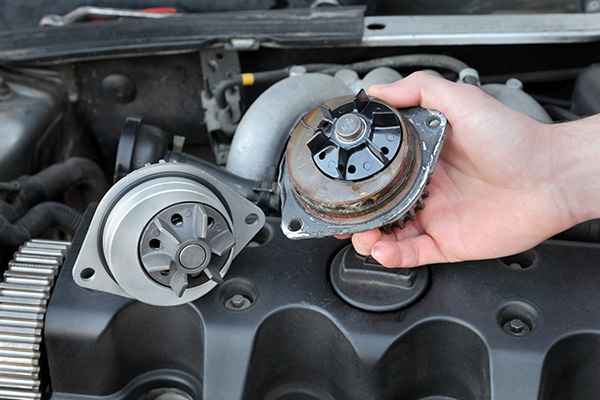
The water pump is a key part of your engine’s cooling system. It’s responsible for circulating coolant through the engine and radiator to keep temperatures under control. When the water pump starts to fail, the signs aren’t always obvious—until your engine overheats or breaks down. Knowing what to listen to and look for can help you catch problems early and avoid costly repairs. If you’re unsure whether your water pump is still in good shape, here are the warning signs to watch for. Squealing or Whining Noises One of the most common sounds linked to a failing water pump is a high-pitched squeal. A worn-out bearing inside the water pump pulley usually causes this noise. The bearing supports the pump shaft and allows it to spin smoothly. Over time, heat and wear take a toll, and the bearing starts to fail. You may hear the noise when cold starts or when the engine revs up. It can sound similar to a worn serpentine belt, so the best way t ... read more